November 16, 2026
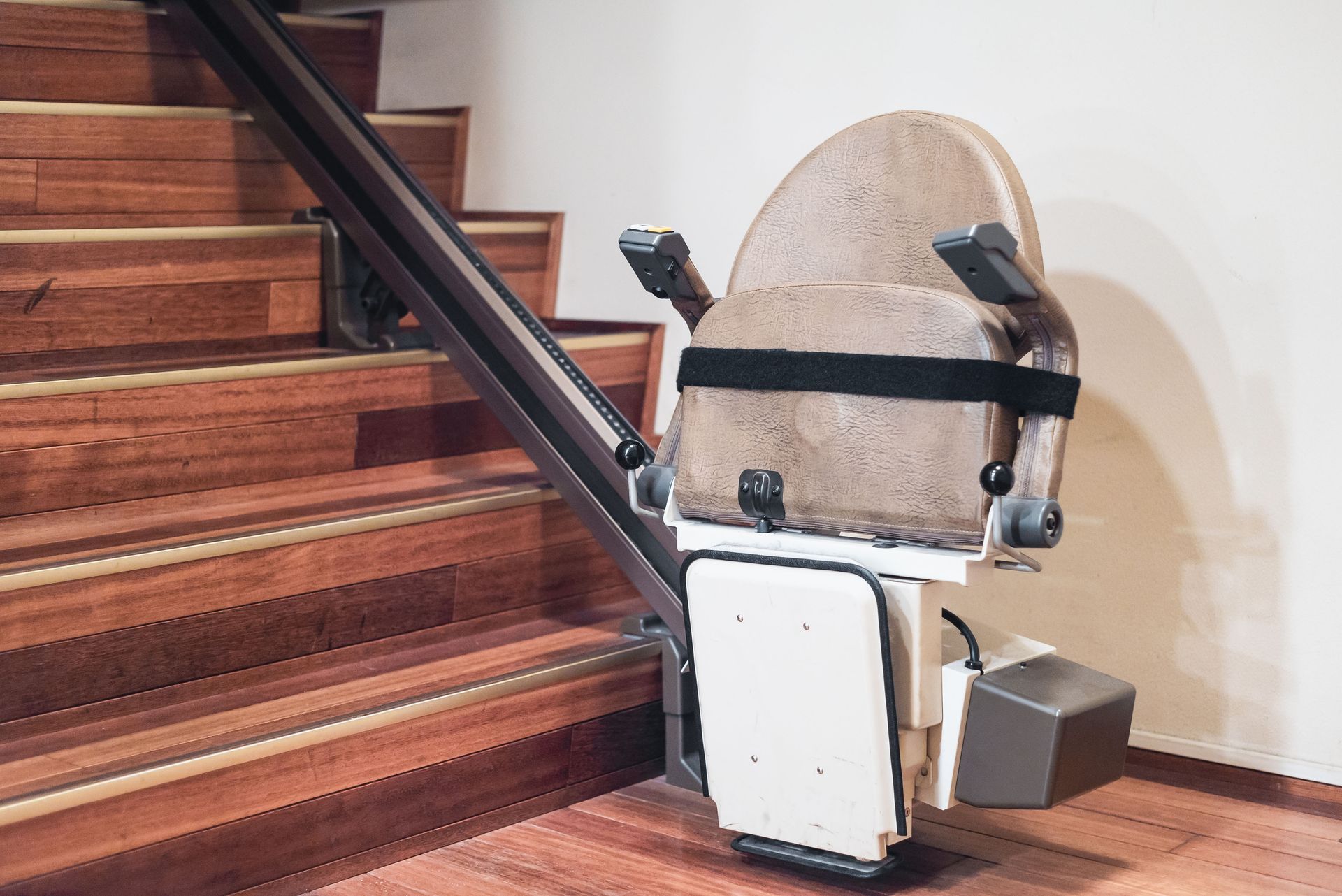
A staircase that once felt routine can become difficult to navigate after an injury, during recovery, or as mobility changes with age. A stairlift may make it easier to reach different levels of a home without requiring someone to avoid rooms they previously used every day. Choosing one, however, involves more than deciding that assistance would be useful.
The right decision depends on the person using the equipment, the shape of the staircase, and the conditions in which the lift will operate. A medical equipment store that provides stairlift assessments and installation can help homeowners translate those considerations into a workable choice. Before committing to a particular option, it helps to know what questions deserve attention and why the answers matter.
Begin With the User's Physical Needs
Start with the movements the person finds difficult and those they can still perform comfortably. Someone recovering from surgery may need temporary relief from climbing stairs, while an older adult managing changes in strength or balance may be thinking about daily access over a longer period. Those circumstances affect which seating arrangement and controls may feel manageable. Any recommended model must also accommodate the user within its stated weight capacity.
A stairlift also requires the user to get onto and off the seat at the ends of the staircase. Consider whether they can sit securely, maintain an appropriate position during travel, and operate the controls. If another household member will assist, their involvement should be part of the conversation rather than an afterthought. A medical equipment store can discuss these needs during an assessment, but a stairlift should not be assumed to address every type of mobility limitation. The aim is to match the equipment to the person's actual abilities, not merely to the presence of stairs.
Check the Staircase's Shape and Dimensions
A stairlift must fit the staircase it will travel along. Straight runs may present different installation requirements from stairways with bends, curved sections, or intermediate landings. Narrow stairs add another consideration: the lift must be positioned so that its operation and the remaining passage space are appropriate for the home.
Professional measurements matter because a staircase can look uncomplicated while having details that affect the equipment recommendation. The location of turns, space at the top and bottom, and nearby walls or doorways may all influence the available options. Providers can assess curved, spiral, or narrow configurations and recommend equipment suited to the specific layout. Rather than selecting a model from photographs alone, homeowners should understand how the proposed stairlift would fit in their actual home. A medical equipment store with installation experience can explain why a proposed configuration fits and which physical limitations remain.
Examine Everyday Comfort and Controls
A stairlift might be used several times a day, making comfort and ease of operation important considerations. Ask about the seat's size and support, how the user gets settled, and whether the operating controls are easy for them to reach and understand. The appropriate configuration should support a stable seated position throughout the ride.
Safety-related details deserve equally careful questions. Depending on the equipment, features may include a seat belt, a swiveling seat for getting off at a landing, or sensors that stop movement when something obstructs the path. Not every model has the same features, and their presence should be confirmed rather than presumed. A medical equipment store can explain the proposed equipment and how its controls are intended to be used. Understanding those details before installation is especially helpful when a person has limited hand strength, reduced balance, or concerns about moving between the stairlift and the landing.
Account for Everyone Who Uses the Stairs
Although the lift serves a particular person, the staircase remains part of a shared home. Family members and visitors may still need to walk up and down it, and the equipment should be considered in relation to their access. A narrow passage or a doorway near a landing can make this question particularly important.
Some stairlift designs have parts that fold away when the seat is not in use, but available space varies by model and staircase. Ask where the seat will rest at each end of its travel and how the rail will affect movement through the area. Think about ordinary routines, such as carrying laundry or moving between rooms, rather than considering the stairlift only while it is running. Addressing these concerns during the staircase assessment can show whether the suggested arrangement is practical for the whole household.
Understand the Installation Process
Installation quality matters as much as choosing equipment that appears suitable. A provider should begin by assessing the staircase and the intended user's needs before recommending a configuration. Once an option is selected, professional installation and safety testing help determine whether the equipment operates as intended in that setting.
The physical installation itself is often relatively brief. Depending on the staircase configuration, many installations can be completed in approximately two to four hours. That timeframe should not be confused with the entire period between the first conversation and the day the lift is ready for use. Assessment, equipment selection, and scheduling are separate considerations, and the circumstances of the home may influence each one.
Ask the medical equipment store what the installation visit involves and how the controls will be explained afterward. Understanding those steps helps the household plan for the change without assuming every staircase will require identical work.
Clarify Insurance Questions Early
Before deciding on equipment, ask how insurance eligibility will be evaluated. Coverage can depend on the particular plan, whether the equipment meets its medical-necessity requirements, and other policy conditions. Even if an insurance provider may consider a stairlift under certain circumstances, that possibility does not establish that a given purchase will be covered.
A medical equipment store experienced in working with insurers may help determine whether benefits apply and handle the associated paperwork. Homeowners should still understand what information is needed, whether approval is required, and what their own plan says about the equipment. Asking these questions early makes it easier to distinguish an available insurance benefit from an assumption. It also gives the household a more complete picture of the decision before installation arrangements are finalized.
Think Beyond the Immediate Mobility Challenge
A stairlift may answer a pressing need today, but its usefulness should also be considered in the context of changing circumstances. According to seniorliving.org, roughly seven in ten older adults will need some form of long-term care during their lives, whether they receive it at home or in a care facility. That figure does not mean everyone will need a stairlift. It does show why planning for future support can be relevant when making decisions about access within a home.
Consider whether the intended user is likely to remain comfortable transferring onto the seat and operating the controls as their needs evolve. Household members may also want to discuss how assistance would work if someone eventually requires more support. A professional staircase assessment addresses the current layout and intended use, while changing health needs may call for a fresh assessment. Choosing thoughtfully now means acknowledging both the benefits and the limits of the equipment.
A stairlift can make familiar spaces more accessible, but its value depends on how well it fits the person and the home. The most useful purchase decision is one that leaves the household informed about the equipment's practical role rather than relying on appearances or broad promises. At Options DME, we assess staircases, recommend suitable stairlift equipment, and provide professional installation. Contact us to discuss your home's layout and the support you need when considering a stairlift.